The Bedtime Battle and Why SleepToy is Reimagining Evening Routines
by Nataliia Brytska | 27 May 2026
Industry Commentary, Op-Ed
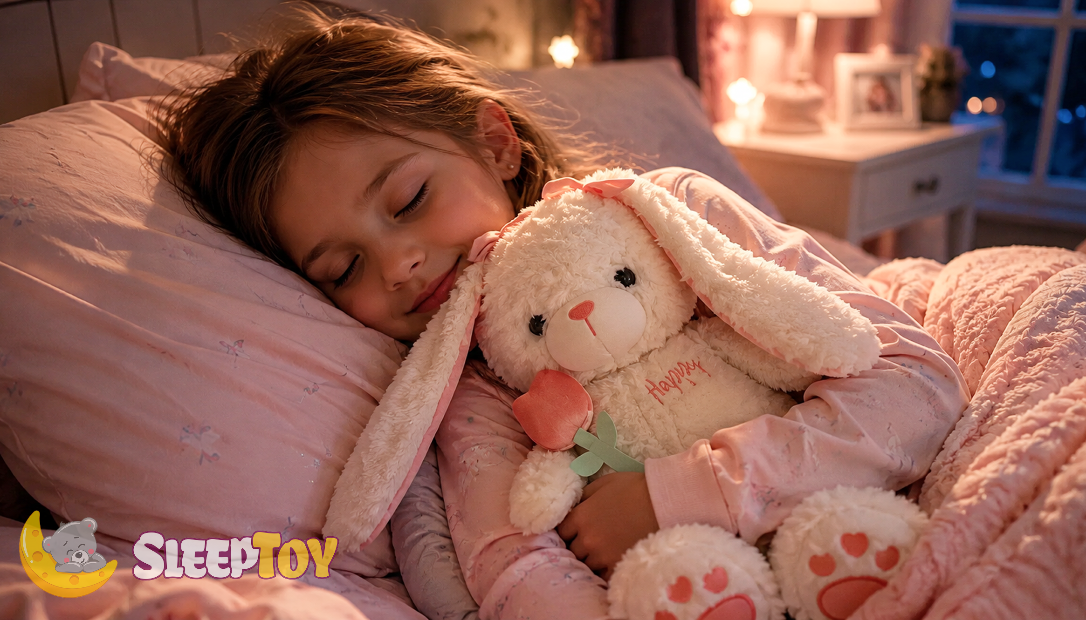
The Bedtime Battle and Why SleepToy is Reimagining Evening Routines
When we at SleepToy analyzed the modern children’s product market we noticed a strange trend. The entire toy industry today seems completely obsessed with action. On store shelves everything flashes clicks and moves at breakneck speed. As a global market we have learned how to perfectly entertain children during the day but when evening comes parents are left entirely alone with a problem that has become a real challenge of our time. We are talking about the daily bedtime battle.
Ask any modern family about their evening routines and you will hear countless stories about how difficult it is to calm a child down after a busy day. The hardest part is usually tearing them away from a screen. Tablets and phones have turned into a sort of automatic nanny. Parents can be understood because they are simply exhausted at the end of the day. However numerous medical studies are relentless because blue light from screens blocks the production of melatonin. Instead of the expected calmness the child’s nervous system receives another powerful hit of overstimulation.
That is exactly why the SleepToy brand was born. Our main goal was to find a real and effective alternative to gadgets. I wanted to offer parents not just another plush toy but a thoughtful tool that helps a child gently ground themselves and prepare their mind for rest.
Many people think that if a child sits quietly in front of the TV they will relax. In reality the rapid transition of images only deepens stress and keeps the brain in a state of high anxiety. To fall asleep a child needs what is called sensory grounding. They need some material physical thing that they can touch hug and feel safe because of it. Relying on modern research in child psychology and sleep science we have identified several important factors that truly help a child fall asleep.
The first factor is the magic of touch because our skin is a massive sensory organ. When a child hugs a soft and pleasant toy their body begins to lower cortisol levels on a physiological level. This is a basic biological language of safety signaling that the child is protected and can now relax.
The second factor is a slow rhythm. A bedtime toy should not scream for attention because its job is to draw the child into a monotonous and calming process. This could be a barely noticeable pulsing of warm light that subconsciously mimics slow breathing or some delicate textures that a child can quietly fiddle with in bed to slow their heart rate.
Over time a psychological anchor develops. If a child picks up the exact same object every night a strong cognitive connection is formed. The brain instantly remembers that if SleepToy is already nearby it means the day is over and it is time to sleep. This significantly eases the moment when a mother or father needs to leave the room and the child is afraid of being left alone.
Today parents want more than just a regular teddy bear. Generation Alpha is growing up in an era of technology but at the same time the demand for smart and eco-friendly screen-free solutions is rising rapidly. Modern buyers are looking for products that combine the comfort of quality textiles and gentle technology designed for health and wellness.
When we create SleepToy products with a child’s natural biological rhythms in mind we aim to solve a major social issue. We are bringing back to children’s bedrooms what screens are trying to take away namely warmth comfort and true peace. It is time for the toy industry to look beyond the shelves of bright daytime entertainment. We need to create and support products for silence. Because when a child falls asleep easily it is not just a story about their health it is about the peace and happiness of the entire family.
Recent Blogs



Recent Blogs

The Bloom Report
Brian Weiss: Goliath Takes Action Against Counterfeit Clickeez
General
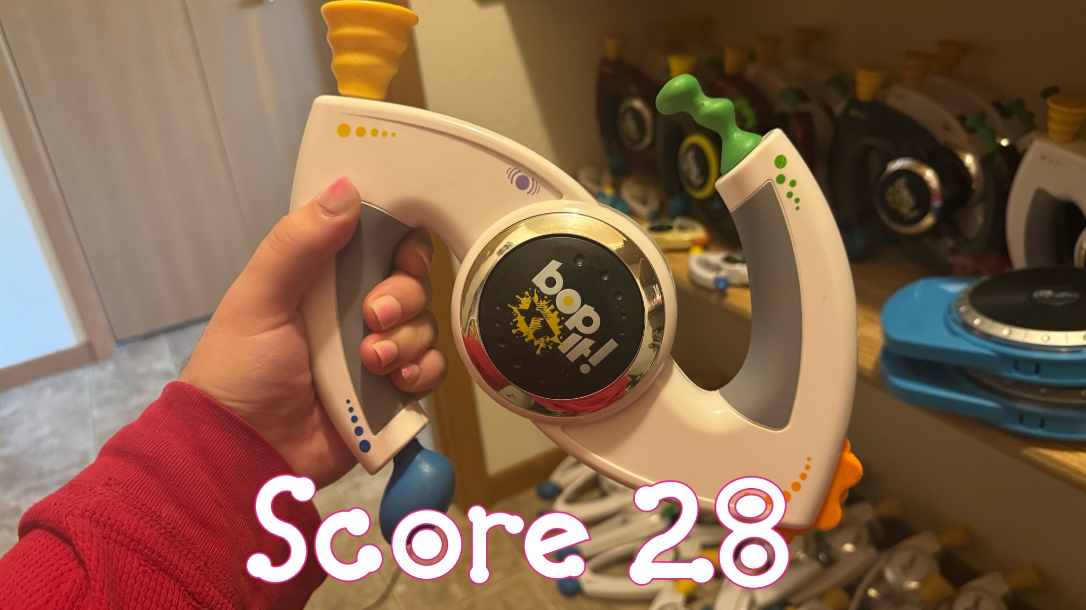
Katherine Kaiser: The World Of Test Modes and Revision Numbers In Bop It
The Bloom Report
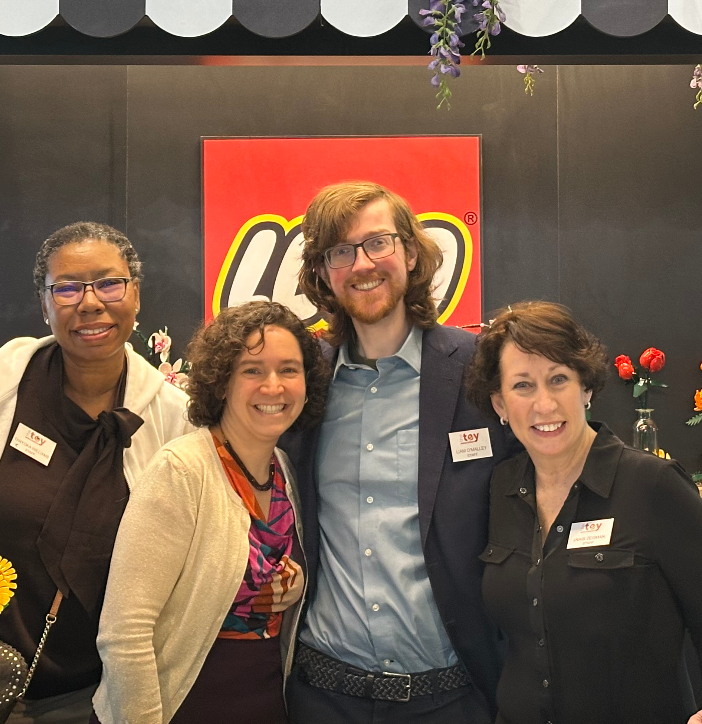
Liam O'Malley Talks Working on the Bloom Report, Collecting Toys, and Innovation in the Toy Industry
The Bloom Report
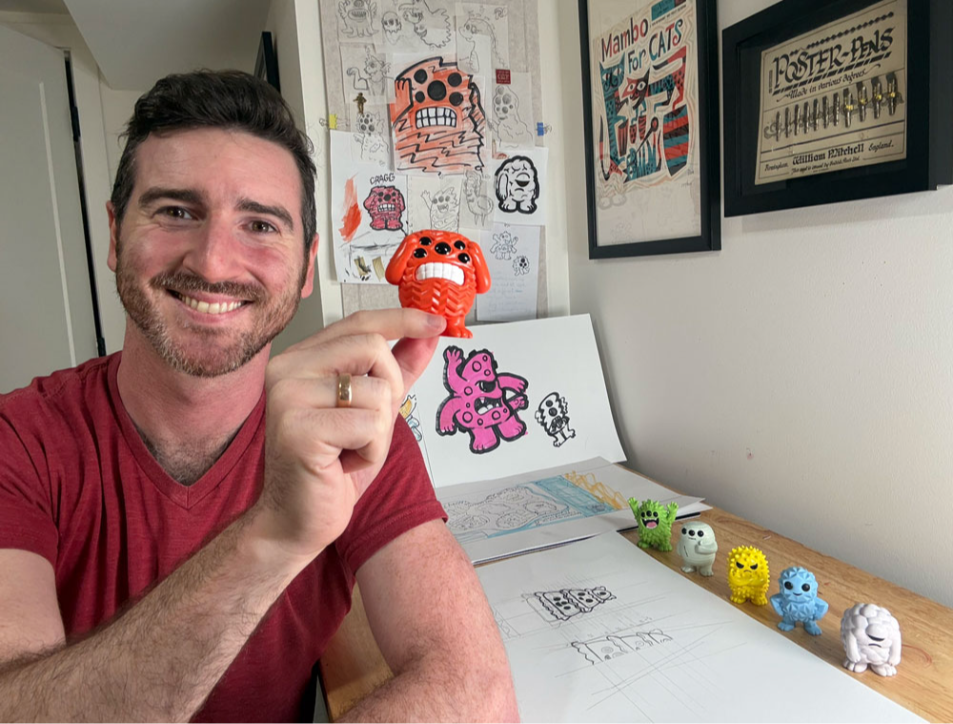
Anthony Elder Talks Building Stimeez, The Design Process, and Making Toys That Address Kids' Needs
Press Release
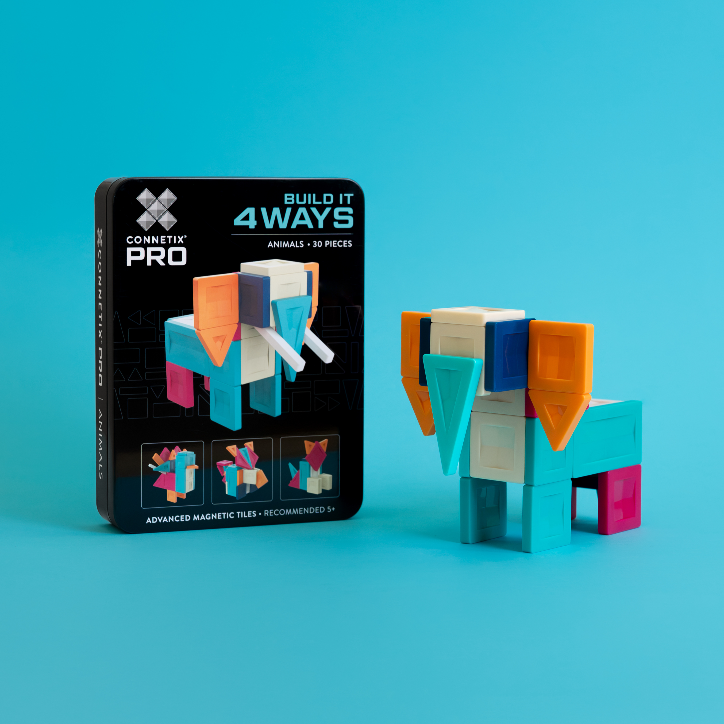
CONNETIX Launches New PRO Build It 4 Ways Packs Inspiring Older Builders through Advanced Play
See more
Recent Wiki
BOOK REVIEWS
Game Review: Yahtzee

COMPANIES
Spielwarenmesse Invitation for game authors: Registration until 15 December 2026
BOOK REVIEWS
Game Review: Peekimo
PEOPLE
Peter Cullen and the Voice That Helped Transform a Toy into an Icon
PEOPLE
Fei Feng Talks Growing Orbio, Leading with Joy, Inspirations and More!
See more
POP's Got Talent

POP Entertainment
Randy Klimpert Shares his Ukulele Collection
POP Entertainment
Steve Casino Peanut Art

POP Entertainment
Everyone's Talking about POP!
POP Entertainment
Princess Etch - a Multi-Talented Etch A Sketch Artist
POP Entertainment
Joseph Herscher of Joseph' s Machines.
See more
Recent POPcast

Hidden Role: The Brains Behind your Favorite Games
Brent Bushnell talks Two Bit Circus, VR, & STEAM (Part 1)
Hidden Role: The Brains Behind your Favorite Games
Tim Walsh Celebrates the 30th Anniversary of Blurt!
Hidden Role: The Brains Behind your Favorite Games
Connie Vogelmann designed Apiary & Wyrmspan!

Hidden Role: The Brains Behind your Favorite Games
Bob Fuhrer... Is THE Crocodile Dentist!

Hidden Role: The Brains Behind your Favorite Games
Tom Dusenberry... Bought Atari, Wizards of the Coast, and Avalon Hill!
See more
POPDuos

POPDuos: Interviews with Legends and Leaders
POPDuo: Richard Dickson, Mattel’s President & COO, and Kedar Narayan, Young Inventor Challenge AMB

POPDuos: Interviews with Legends and Leaders
POPDuo: Will Shortz and Josh Wardle

POPDuos: Legends and Leaders Explore Creativity
POP Duo: Elan Lee, Co-Founder, Exploding Kittens.and Jeff Probst, Host and Exec Producer, Survivor

POPDuos: Legends and Leaders Explore Creativity
POP Duo: David Fuhrer, MNG Director, Blue Sq Innovations & Shawn Green, past Dodgers & Mets MLB Star

POPDuos: Legends and Leaders Explore Creativity
POP Duo: Bob Fuhrer, Founder, Nextoy and Tom Fazio, Golf Course Designer
See more
Featured Articles
The Bloom Report
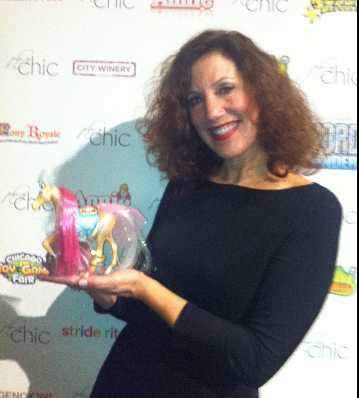
Toy Inventors--The Heart and Soul of the Industry
The Bloom Report
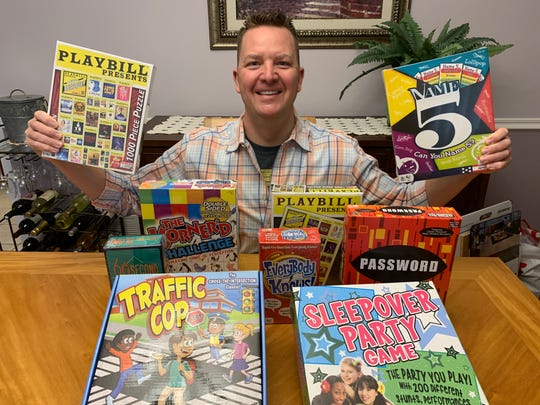
Brian Turtle: 'Endless' Stories, Advice, Kevin Bacon and More! tBR Person of the Week
Biographies and Interviews
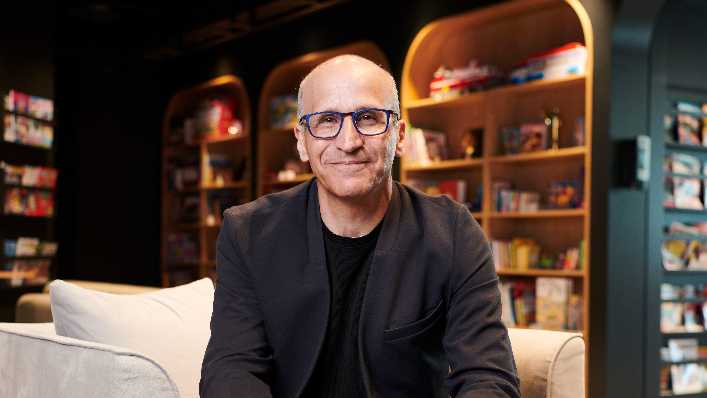
Jonathan Levy on Jon2.0 - from Co-Founding Mastermind Toys to Spin Master
Biographies and Interviews
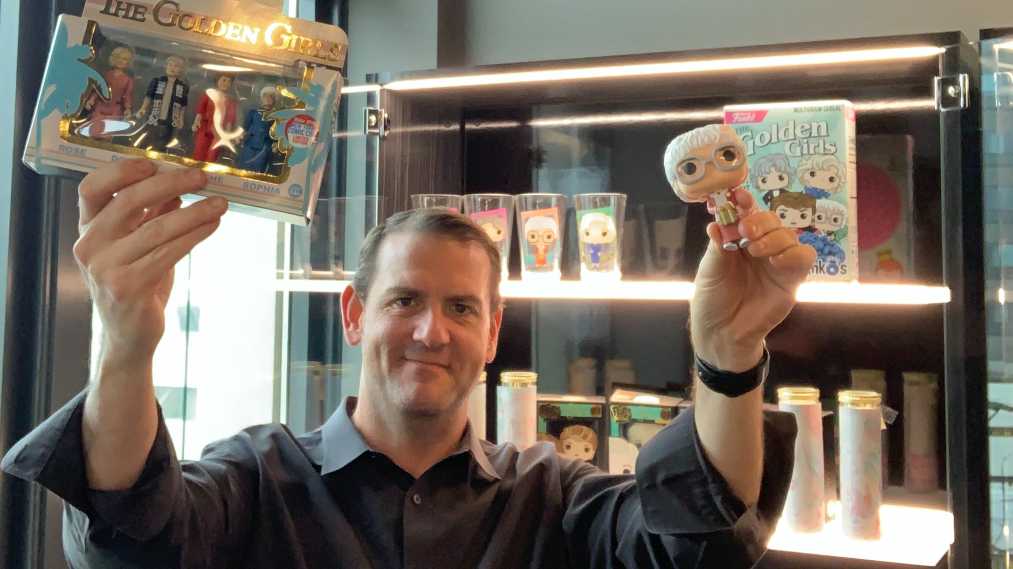
Andrew Perlmutter's Journey from Glencoe to Funko with Crazy Ideas that turned out Golden
See more