Nic Jones on The New Front Door to Play Innovation: How creators are turning community, content, and commerce into a powerful new route to market
by The Bloom Report | 05 Feb 2026
The Bloom Report

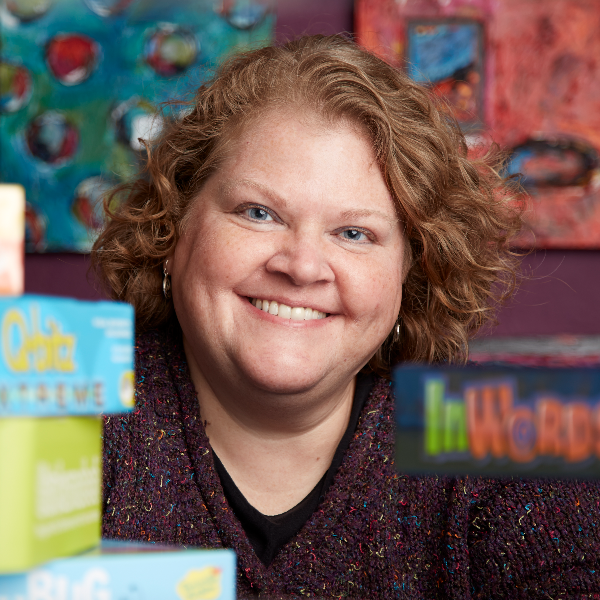
The following article is by Nic Jones, Co-Founder of Shout About!
From Idea to Store
By 2030, global social commerce is forecast to exceed $8 trillion (Yahoo Finance). TikTok Shop alone generated $26 billion in sales in just the first half of 2025, a 136% year-on-year increase. In the west, 70% of people search on social media for toys.
This is fast becoming a fundamental shift in how audiences discover and buy products; people are now encountering ideas through stories, videos, and communities. Social media is no longer just where fans hang out, it’s where they shop.
For inventors and creators, this isn’t about turning into influencers. It’s about understanding that the same platforms used to showcase creativity can now be used to sell it. Whether you design games, toys, or collectible items, social commerce gives you the tools to connect directly with fans and convert enthusiasm into sales.
A New Way
For generations, creators in toys, games, and play followed a familiar path. Invent an idea, build a prototype and pitch to brands or publishers. And wait…
That system, of course, still exists, but it is no longer the only route to market.
A new model is emerging, one that gives creators more control, faster feedback, and direct access to their audience. Social commerce is changing how play ideas are discovered, validated, and sold. For the People of Play community, it represents a powerful shift in how creativity can turn into real-world impact.
This is not about abandoning licensing or retail. It is about expanding the creator toolkit.
When Discovery and Buying Happen in the Same Place
Social commerce simply means selling products directly within social platforms.
Instead of using social media to advertise and sending consumers elsewhere to buy, the entire journey now happens in one place.
For example, a short video shows a new game being played, a collectible toy is unboxed or a puzzle is demonstrated. The option to buy appears instantly, without leaving the app.
That seamless flow from discovery to purchase is redefining how people find new products. Audiences are no longer browsing shelves first. They are discovering ideas through stories, creators, and communities.
For play innovators, this is a fundamental change. Social platforms are no longer just marketing channels, they are storefronts, focus groups, and launchpads all at once.
Why This Matters for the Play Community
For many creators, the biggest historical barriers have been access and validation. Getting a meeting, proving demand and convincing someone else to take a risk.
Social commerce flips that dynamic.
Creators can now:
- Test ideas directly with an audience.
- Show how products work through play.
- Build proof of demand before entering licensing conversations.
- Generate revenue without waiting for retail placement.
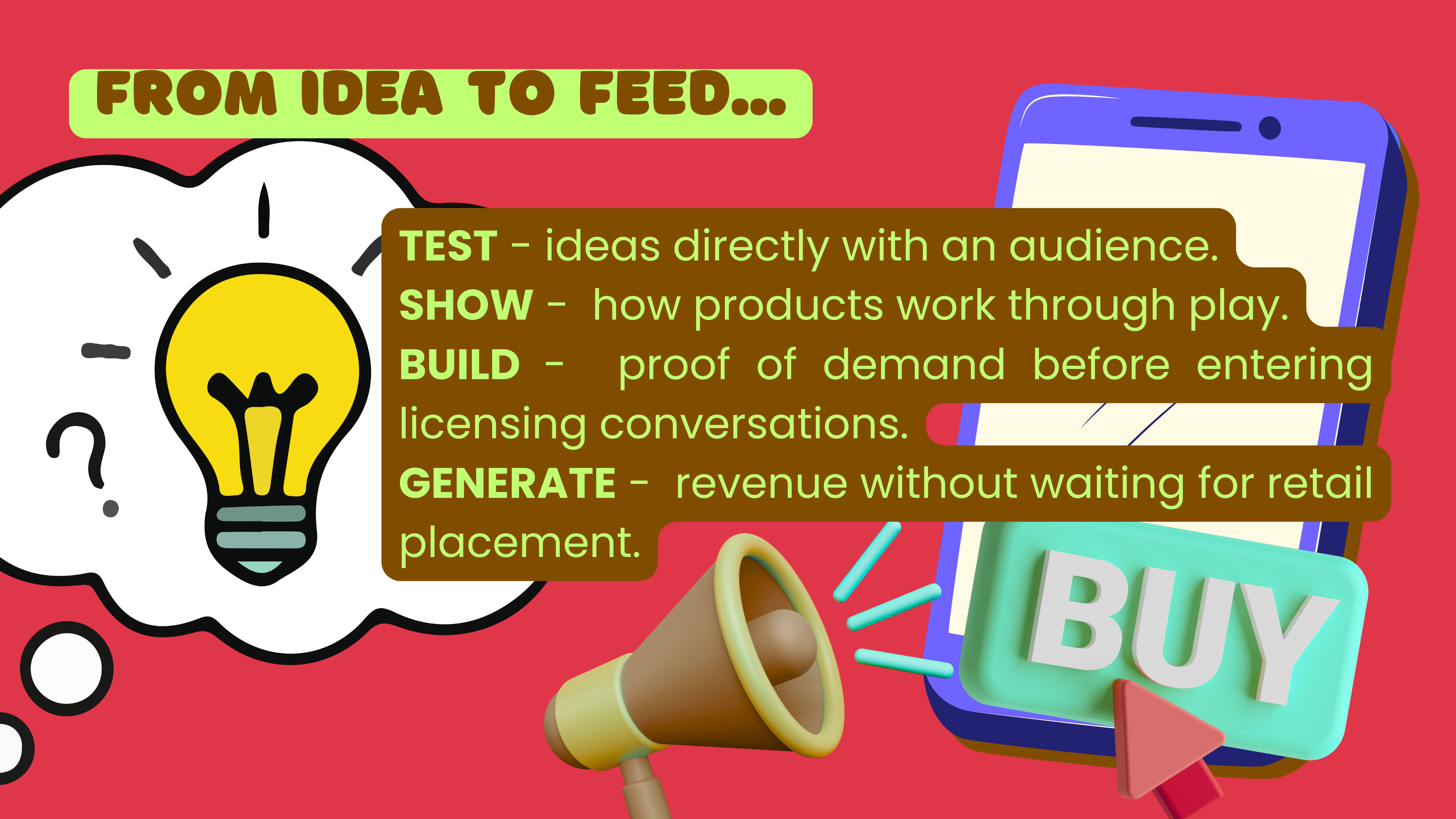
It’s possible that a simple video can do what once took months of meetings, whereby engagement becomes data, comments become insight and sales become leverage.
This does not mean every designer needs to become a full-time seller but understanding how these ecosystems work is becoming a creative advantage, even for those who ultimately want to license.
Creativity Over Scale
One of the most important truths about social commerce is that it does not reward size. It rewards clarity, authenticity, and creativity.
A small creator with a strong point of view can outperform a big brand with a generic message. Play is uniquely suited to this environment because it is visual, emotional, and experiential.
Creators are already showing:
- Prototypes evolving in real time.
- The design journey from sketch to final product.
- Families, collectors, and kids reacting honestly to play experiences.
This kind of content does not feel like advertising. It feels like participation and that is why it works.
Collaboration Is the Growth Engine
Very few creators want to do everything themselves and that is where collaboration becomes powerful.
Consider ways to collaborate
- Partner with content creators who already speak to their audience.
- Team up with educators, collectors, or toy photographers.
- Form small collectives where multiple creators share visibility and storefronts.
Social commerce enables these models by making collaboration measurable and rewarding. Affiliate tools allow others to earn from promoting products they genuinely like. Communities can become distribution networks.
Growth no longer depends on one big launch. It can come from many small, authentic voices telling the same story from different angles.
Turning Fans Into Advocates
One of the most overlooked aspects of social commerce is how it turns fans into participants.
When supporters can share, promote, and earn from products they love, the relationship changes. It is no longer creator to consumer but is creator with community.
Instead of paying for attention, value is shared across networks.
That model aligns naturally with the spirit of play, where engagement and participation are everything.
Practical First Steps for Creators
For those curious about exploring social commerce, the barrier to entry is lower than it looks.
Start simple:
- Choose one platform and learn it well. Focus before you expand.
- Share your process. Show how ideas come to life.
- Lead with story, not sales. Let play speak for itself.
- Partner with others who already reach your audience.
- Test, learn, and iterate. Speed is an advantage.
You do not need a perfect product or a big following to begin. You need clarity, curiosity, and consistency.
Where Shout About! Fits In
As creators explore this space, infrastructure matters. Managing products, creators, content, and commerce across platforms can get complicated fast.
That is where new social-first marketplaces like Shout About! come in. Built specifically for social commerce, it helps creators and brands collaborate, sell, and scale without needing to build everything themselves.
For creators, it offers a way to focus on what they do best, creating and storytelling, while making commerce more accessible and collaborative.
The Bigger Picture for Play
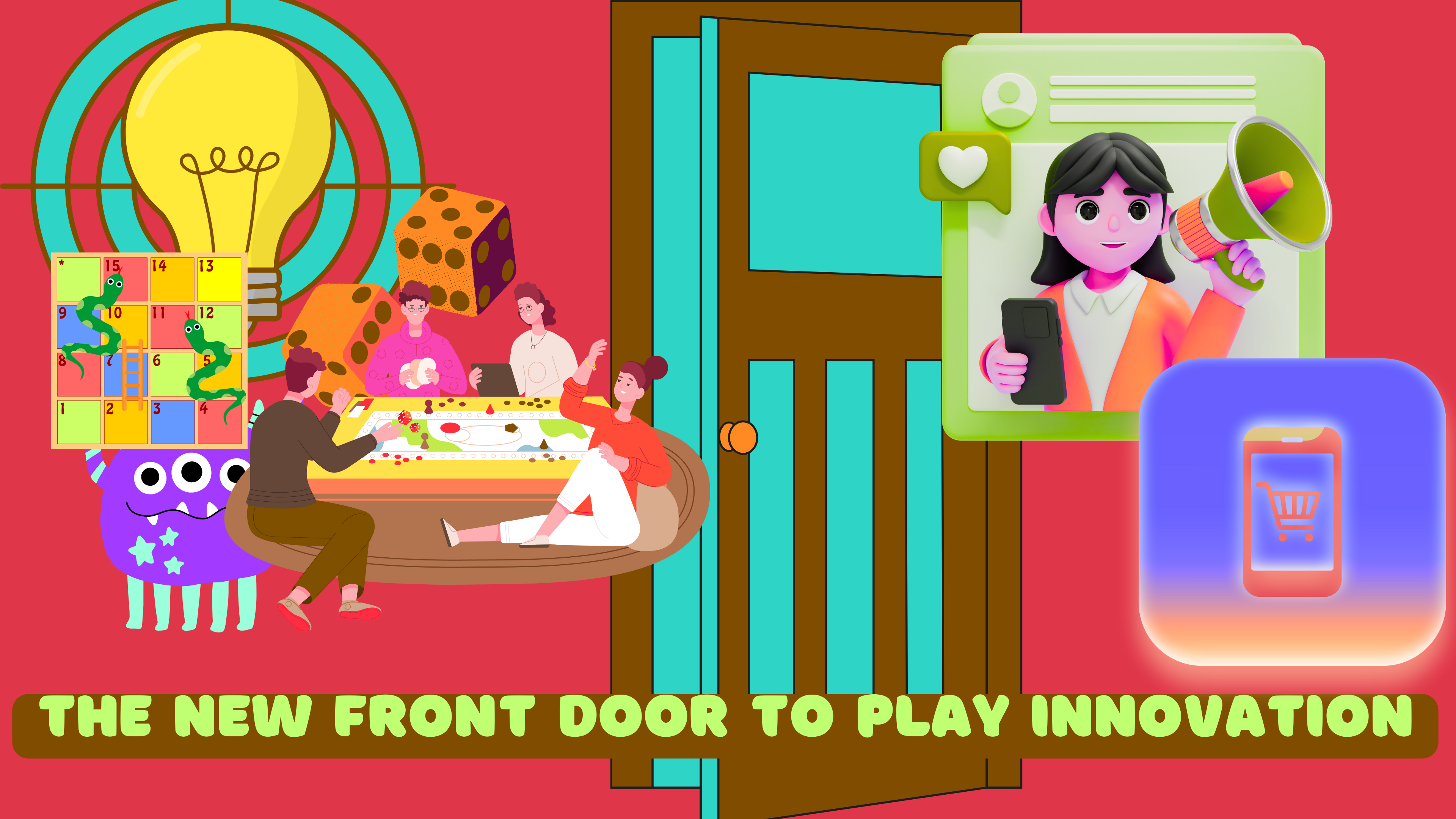
Social commerce is not replacing traditional pathways. It is adding a powerful new front door to innovation.
For the People of Play community, this shift is an opportunity to rethink how ideas travel from imagination to impact.
The next breakout toy, game, or play experience may not begin with a pitch, it may begin with a post.
And for creators willing to explore this new terrain, the path from creator to checkout has never been more direct.


Recent Blogs

Press Release
Abacus Brands Brings the Toy Community Together for 2026 The LA Showcase Official After Party

The Bloom Report
Toy Night at the Laugh Factory (2026)

The Bloom Report
Brian Weiss: Goliath Takes Action Against Counterfeit Clickeez
General
Katherine Kaiser: The World Of Test Modes and Revision Numbers In Bop It
The Bloom Report
Liam O'Malley Talks Working on the Bloom Report, Collecting Toys, and Innovation in the Toy Industry
See more
Recent Wiki
BOOK REVIEWS
Game Review: Yahtzee

COMPANIES
Spielwarenmesse Invitation for game authors: Registration until 15 December 2026
BOOK REVIEWS
Game Review: Peekimo

PEOPLE
Peter Cullen and the Voice That Helped Transform a Toy into an Icon
PEOPLE
Fei Feng Talks Growing Orbio, Leading with Joy, Inspirations and More!
See more
POP's Got Talent

POP Entertainment
Randy Klimpert Shares his Ukulele Collection
POP Entertainment
Steve Casino Peanut Art
POP Entertainment
Everyone's Talking about POP!
POP Entertainment
Princess Etch - a Multi-Talented Etch A Sketch Artist
POP Entertainment
Joseph Herscher of Joseph' s Machines.
See more
Recent POPcast

Hidden Role: The Brains Behind your Favorite Games
Brent Bushnell talks Two Bit Circus, VR, & STEAM (Part 1)
Hidden Role: The Brains Behind your Favorite Games
Tim Walsh Celebrates the 30th Anniversary of Blurt!
Hidden Role: The Brains Behind your Favorite Games
Connie Vogelmann designed Apiary & Wyrmspan!

Hidden Role: The Brains Behind your Favorite Games
Bob Fuhrer... Is THE Crocodile Dentist!

Hidden Role: The Brains Behind your Favorite Games
Tom Dusenberry... Bought Atari, Wizards of the Coast, and Avalon Hill!
See more
POPDuos

POPDuos: Interviews with Legends and Leaders
POPDuo: Richard Dickson, Mattel’s President & COO, and Kedar Narayan, Young Inventor Challenge AMB

POPDuos: Interviews with Legends and Leaders
POPDuo: Will Shortz and Josh Wardle

POPDuos: Legends and Leaders Explore Creativity
POP Duo: Elan Lee, Co-Founder, Exploding Kittens.and Jeff Probst, Host and Exec Producer, Survivor

POPDuos: Legends and Leaders Explore Creativity
POP Duo: David Fuhrer, MNG Director, Blue Sq Innovations & Shawn Green, past Dodgers & Mets MLB Star

POPDuos: Legends and Leaders Explore Creativity
POP Duo: Bob Fuhrer, Founder, Nextoy and Tom Fazio, Golf Course Designer
See more
Featured Articles

The Bloom Report
Toy Inventors--The Heart and Soul of the Industry
The Bloom Report
Brian Turtle: 'Endless' Stories, Advice, Kevin Bacon and More! tBR Person of the Week

Biographies and Interviews
Jonathan Levy on Jon2.0 - from Co-Founding Mastermind Toys to Spin Master
Biographies and Interviews
Andrew Perlmutter's Journey from Glencoe to Funko with Crazy Ideas that turned out Golden
See more